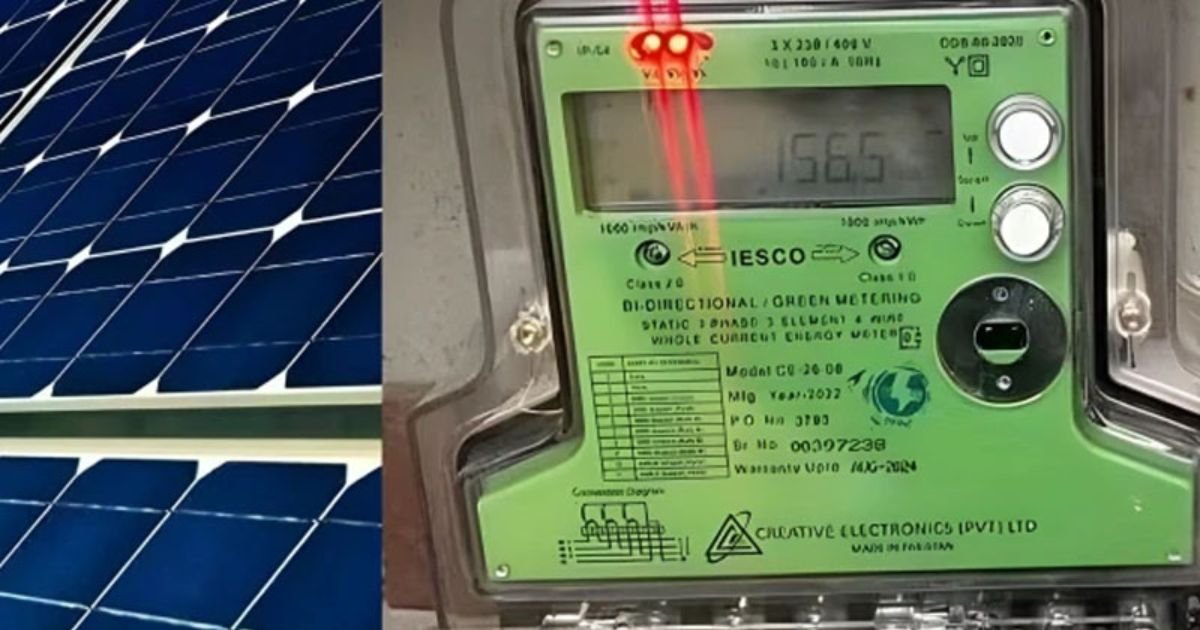



Islamabad — The National Electric Power Regulatory Authority (Nepra) came under sharp criticism from the National Assembly Standing Committee on Industries and Production on February 17, 2026, for abruptly switching from net metering to net billing, a move lawmakers warned would discourage clean energy adoption and erode investor trust in government policies.
Chaired by MQM’s Syed Hafeezuddin, the committee questioned the rationale behind the change, which limits benefits for existing and future solar consumers and aims to protect the costly, state-owned power network from rising distributed generation.
The National Electric Power Regulatory Authority (Nepra) has granted protection to existing prosumers till expiry of their seven years’ contracts with Discos/ K-Electric through amendments to the notified Prosumer Regulations 2026, following a communication from the Power…
— Business Recorder (@brecordernews) February 17, 2026
Key Highlights
- NA committee criticises Nepra’s shift from net metering to net billing.
- Lawmakers warn policy will shatter investor confidence in government commitments.
- Change seen as discouraging industries and households from clean energy.
- No rational study by power ministry cited for policy reversal.
- Committee demands promotion of solar to cut long-term business costs.
- Several ministry development projects rejected over delays, cost overruns.
- Panel members highlight incomplete project briefs and misuse of land.
The chairman stressed that industrial units had invested in solar systems under the original net metering policy, only to face uncertainty after the new net billing framework. “When the regulator honours commitments to independent power producers, it should also respect those made to industries and individuals,” he said.
Members, including the industries secretary, expressed concern that the policy would hinder the transition to clean technologies, which could reduce long-term business costs. The committee found Nepra’s premise for the change lacked any rational study by the power ministry.
On development projects, the panel rejected several proposals due to delays of six to nine years, cost escalations, and incomplete documentation. Lawmakers criticised departments for seeking new land and buildings instead of utilising non-functional state-owned enterprises (SOEs), questioning why such assets continue to incur losses.
Dr Mehreen Bhutto noted that project briefs often lacked basic details, such as financial figures in millions or billions. Abdul Hakeem Baloch and Shahid Usman contradicted official claims about progress in Hub, Karachi, and Gujranwala, stating ground realities differed significantly.
The committee also discussed the case of former Engineering Development Board employee Engineer K.B Ali, who was transferred back to his parent department but obtained a court stay order.
The session highlighted broader frustration with regulatory inconsistency and project mismanagement. Lawmakers urged Nepra and the power ministry to reconsider the net billing shift and prioritise solar promotion, while demanding stricter oversight of ministry development schemes to ensure timely completion and value for public funds.
Nepra has not issued a formal response to the committee’s criticism as of this report. The matter remains under review, with potential follow-up discussions expected in the coming weeks.
You May Like To Read: